




The Alan Wake 2 walkthrough helps you navigate the game’s twisting story, unsettling locations, challenging puzzles and dangerous encounters. Remedy Entertainment’s survival horror sequel follows FBI agent Saga Anderson and writer Alan Wake through two connected nightmares. You switch between their perspectives, investigate clues, solve environmental puzzles and gradually uncover how their stories intersect. This guide explains the game’s structure, the most useful exploration and combat techniques, and how to approach its major story sections without spoiling every discovery.
Understand the Two Main Storylines
Alan Wake 2 follows two playable protagonists: Saga Anderson and Alan Wake. Saga investigates disturbing murders around Bright Falls and the surrounding wilderness, while Alan struggles to escape the Dark Place, a nightmarish version of New York shaped by his writing.
Their chapters use different gameplay systems. Saga focuses on detective work, evidence collection and physical exploration. Alan relies more heavily on navigating shifting environments, changing scenes and using his writing to influence the world.
You can switch between the characters at designated locations after the game makes this feature available. However, the story sometimes directs you towards a particular chapter or character. Follow the available objectives if you become unsure about your next step.
Start with Saga Anderson’s Investigation
Explore the Crime Scene Carefully
Saga’s investigation introduces the central mystery and teaches you how to examine evidence. Search the crime scene, inspect relevant objects and speak to characters before moving towards the next objective.
Pay attention to environmental details. Documents, photographs and objects can reveal connections that the main objective does not explain immediately. Some discoveries also provide useful background about the case.
When you reach the Mind Place, review the evidence you have collected. This investigative space lets Saga organise clues, connect information and develop theories. If the story seems to have stalled, check whether you have overlooked an important clue or an available conversation.
Use the Case Board
The Case Board helps you organise the investigation and understand how different discoveries relate to one another. Place relevant clues into their appropriate categories and examine the connections that become available.
Not every clue produces an immediate breakthrough. Some evidence becomes meaningful only after you discover additional information. Therefore, return to the board whenever you collect important documents, interview someone new or complete a major investigation.
The Mind Place also contains other useful features, including Saga’s profiling system. These tools can provide additional context and help you work out what to investigate next.
Explore Cauldron Lake and the Surrounding Areas
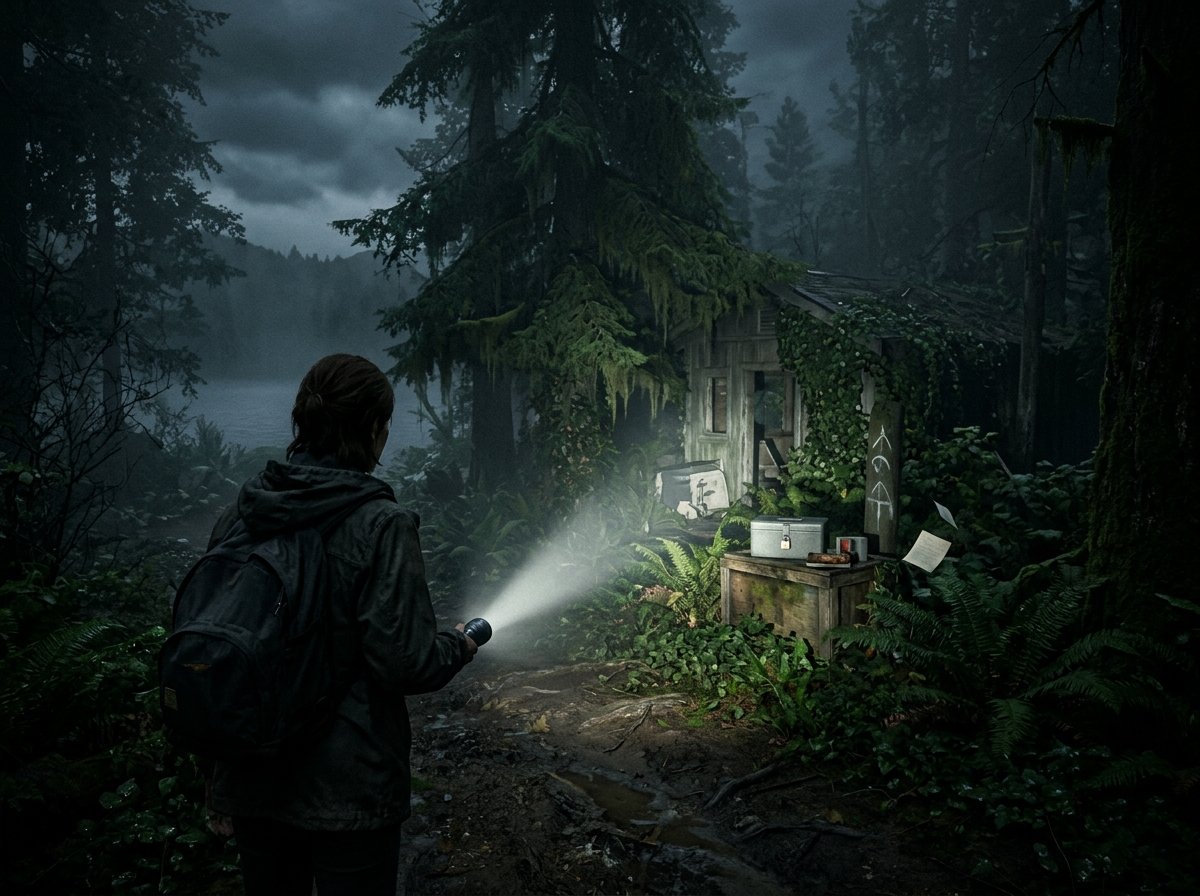
Cauldron Lake and the nearby forests establish the game’s unsettling atmosphere. These areas contain story objectives, optional discoveries, supplies and dangerous enemies.
Follow the main objective when you want to progress, but investigate nearby paths when it is safe. Small buildings, abandoned locations and side routes may contain ammunition, healing items, manuscript pages or other useful resources.
Look for containers, locked boxes and unusual environmental markings. Some require a combination, a code or a short puzzle before you can collect their contents. Read nearby notes and examine surrounding objects for clues rather than guessing repeatedly.
Darkness and poor visibility can make exploration difficult. Use your flashlight to inspect suspicious areas, but remain alert because enemies may appear while you search. If your supplies are running low, prioritise survival over optional exploration.
Master Combat and Resource Management
Use the Flashlight Before Spending Ammunition
Combat in Alan Wake 2 requires more than accurate shooting. Many Taken enemies are protected by a darkness shield that you must weaken with a focused flashlight boost before your weapons can deal effective damage.
Aim the flashlight at an enemy and use the boost when appropriate. Once the protective darkness breaks, target the exposed enemy with your firearm. This approach helps you avoid wasting precious ammunition on enemies that remain protected.
However, flashlight boosts consume battery charge. Use them deliberately and keep track of your available resources, particularly during encounters with multiple enemies.
Aim Carefully and Control Your Position
Ammunition and healing supplies are limited, so accurate shots matter. Aim for vulnerable areas when possible, and avoid firing rapidly without a clear target.
Positioning is equally important. Back away from approaching enemies, watch for attacks and use the surrounding space to create distance. Narrow corridors can leave you with few escape options, so avoid becoming trapped whenever you can.
Not every encounter requires aggressive fighting. If an enemy blocks your route, consider whether you can move past the threat safely. Saving ammunition for unavoidable fights can make later chapters easier.
Search for Supplies Without Overexploring
Check containers and safe rooms for ammunition, healing items and other resources. Storage space is limited, so consider which supplies you need most before collecting everything you encounter.
Safe rooms provide opportunities to recover and manage equipment. Use them to prepare for the next section, especially when you expect a difficult encounter. Still, do not assume every nearby room is completely free from danger once you leave safety.
Solve Alan Wake’s Dark Place Puzzles
Use the Plot Board to Change Scenes
Alan’s sections work differently from Saga’s investigations. Instead of building a conventional case, he explores the Dark Place and uses the Writer’s Room to reshape parts of his surroundings.
The Plot Board allows Alan to apply story elements to specific scenes. A change can open a route, alter an encounter or reveal a new way forward. If a corridor appears blocked, examine the available scene options before searching the entire area again.
Pay attention to clues found in the environment. Signs, photographs, manuscripts and nearby objects may hint at which plot element belongs in a particular location. Try different available options when the current scene does not lead towards your objective.
Navigate the Dark Place Carefully
The Dark Place often rearranges familiar spaces, creating confusing routes and unexpected obstacles. Explore side rooms, inspect doors and look for changes after applying a new scene element.
Alan also uses light to reveal information and interact with parts of the environment. The Angel Lamp can absorb and release light sources to change certain locations. Experiment with nearby lights when a path seems impossible to reach.
If you lose track of your objective, revisit the map and Plot Board. These tools help you identify unexplored areas and understand which story changes remain available.
Follow the Main Chapter Progression
The game begins with the prologue, Return 1: Invitation and Return 2: The Heart, before moving into Alan’s Initiation chapters. Early chapters introduce the two protagonists and establish their separate investigations.
After the initial story sections, you gain greater freedom to progress through Saga’s Return chapters and Alan’s Initiation chapters. Their stories can then advance in different orders, so there is no single mandatory sequence for every middle chapter.
For a balanced first playthrough, alternate between the characters when the game allows it. This approach keeps both storylines moving and helps you understand their connections as new information appears.
Saga’s chapters take you through locations such as Cauldron Lake, Watery and Bright Falls. Alan’s chapters focus on the Dark Place, including its distorted version of New York. Explore each character’s available areas before advancing too far.
As the story approaches its final stages, the game introduces a point of no return. Complete any important optional exploration before proceeding beyond that warning. Some collectibles and discoveries are tied to specific chapters, so missing them can complicate a completion-focused run.
Find Collectibles and Optional Secrets
Alan Wake 2 rewards players who explore beyond the main objectives. Saga can discover lunch boxes, Cult Stashes, Nursery Rhyme puzzles and charms. Alan can find Words of Power and other hidden story-related items.
These discoveries offer useful rewards, additional lore and progress towards certain achievements. However, you do not need every collectible to finish the main story.
Read notes near locked containers and inspect nearby symbols before attempting combinations. Many puzzles provide their own clues through environmental details. If a lock seems difficult, search the immediate area for numbers, patterns or instructions.
Keep in mind that certain items only appear during particular chapters. If you want a complete collection, use a chapter-specific collectible guide alongside your playthrough. This reduces the risk of missing items that become unavailable later.
Best Settings and Tips for New Players
Choose a difficulty that suits your experience with survival horror games. A lower difficulty can make combat more forgiving, allowing you to focus on the story and puzzles. Players who enjoy resource management may prefer a greater challenge.
Use manual saves whenever the game permits, particularly before entering unfamiliar areas or approaching major encounters. Keep several save slots if you want the option to revisit earlier decisions or exploration.
Do not spend all your ammunition during minor encounters. Preserve healing items and batteries for situations where retreat becomes difficult. Also, check your inventory regularly so you know which supplies remain available.
Finally, take your time. Alan Wake 2 uses atmosphere, sound and environmental storytelling to build tension. Rushing through every location can cause you to miss useful resources and details that make the mystery easier to understand.
Is Alan Wake 2 Difficult to Complete?
Alan Wake 2 can feel challenging because it combines survival horror combat with investigative puzzles and an intentionally confusing narrative. Players who expect constant action may find its slower exploration sections unfamiliar.
Most obstacles become manageable when you examine the environment, review your clues and conserve resources. If you become stuck, return to the Mind Place as Saga or the Plot Board as Alan. Both systems provide essential guidance for their respective storylines.
The game also leaves room for optional exploration. You can concentrate on the main objectives for a more direct experience or search thoroughly for collectibles and hidden details. Your preferred approach depends on whether you value story progression, exploration or completion achievements most.
Conclusion
This Alan Wake 2 walkthrough covers the essential systems you need to progress through the game’s supernatural mystery. Follow Saga Anderson’s investigation carefully, use Alan’s Plot Board to reshape the Dark Place, and manage ammunition, batteries and healing supplies wisely. Explore optional areas when it is safe, review clues whenever progress stalls, and finish important collectibles before the point of no return. With patience and careful observation, you can follow both storylines and uncover how their mysteries connect.
FAQs
How long does it take to finish Alan Wake 2?
The main story commonly takes around 18–25 hours, depending on difficulty, exploration and how quickly you solve puzzles. A completion-focused playthrough can take longer because optional collectibles and achievements require additional searching.
Do I need to play Alan Wake before Alan Wake 2?
No. Alan Wake 2 introduces its central characters and mystery, so newcomers can follow the main story. However, playing the original Alan Wake provides useful background and makes certain returning characters and story connections more meaningful.
Can you switch between Saga and Alan in Alan Wake 2?
Yes. After the initial chapters, the game allows you to switch between Saga Anderson and Alan Wake at designated locations. Their available chapters can then be completed in different orders, although the opening and final sections follow a more structured progression.
How do you solve puzzles in Alan Wake 2?
Examine nearby objects, read notes and look for symbols or environmental clues. Saga can organise evidence through the Mind Place, while Alan uses the Plot Board to change scenes. If progress stalls, revisit these systems and check for newly available information.
What should you collect in Alan Wake 2?
Useful discoveries include ammunition, healing items, lunch boxes, Cult Stashes, charms, Nursery Rhyme puzzles and Words of Power. Collectibles can provide upgrades, additional story details and achievement progress, although most are optional for completing the main campaign.
Is there a point of no return in Alan Wake 2?
Yes. A late-game point of no return signals that you should finish important optional activities before continuing. Some collectibles are chapter-specific, so players aiming for full completion should explore thoroughly and check for remaining discoveries before advancing.
For more updates visit: RANKIVO